Vibration Damper (Standard / High‑end)
-
Category: Sound‑Insulating Materials
- Views:
- Published: 2026/08/28
- Inquiry
I. Product Specifications & Price
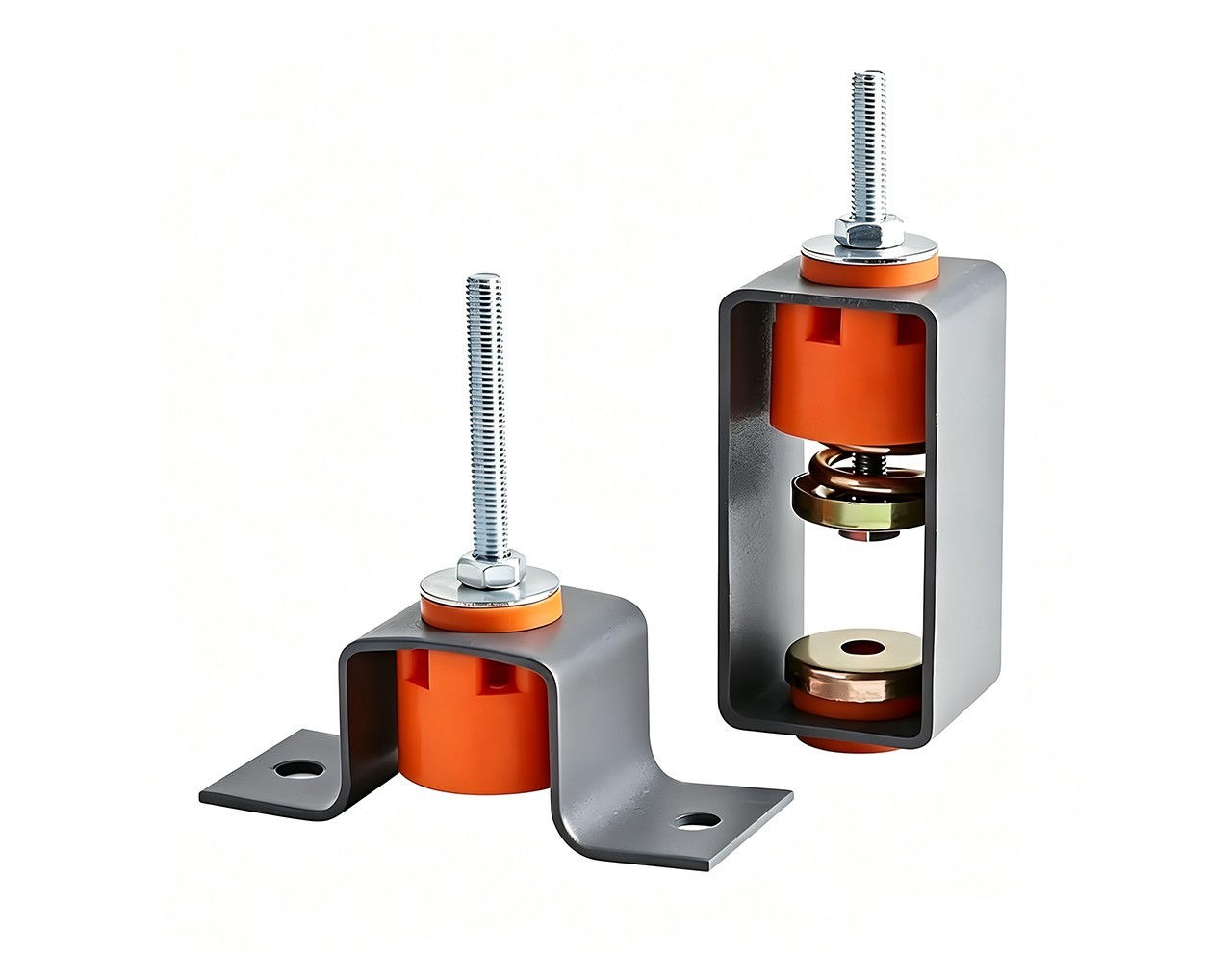
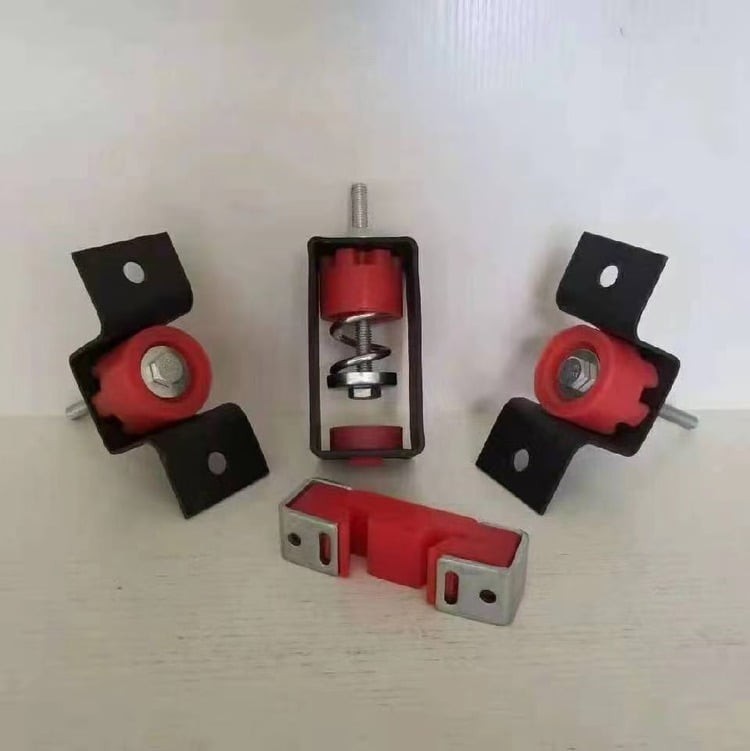
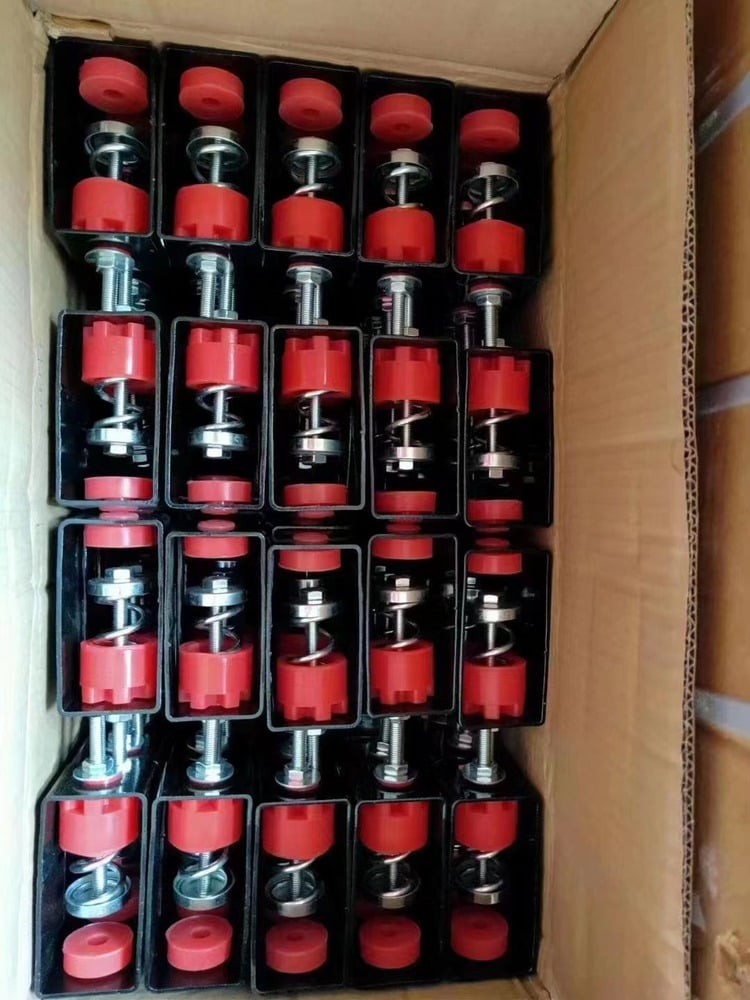
Vibration isolators are available in standard version and premium version;
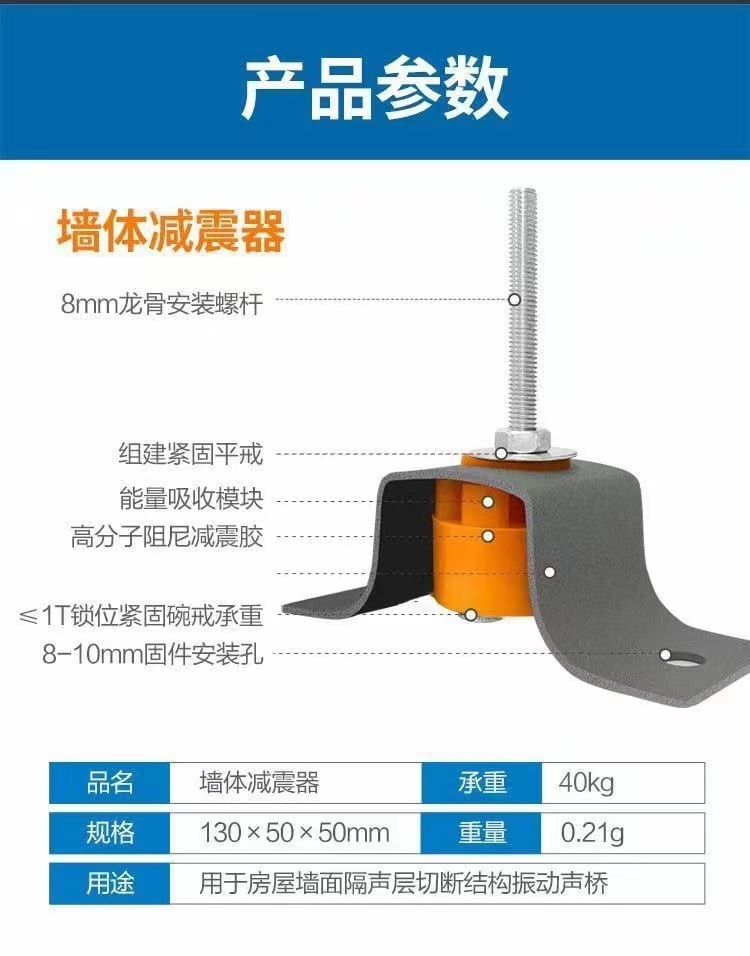
Wall‑mount type size: 130mm*50mm*50mm;
Load‑bearing parameters: Max. 50KG, 40KG; normal load‑bearing capacity: 15‑30KG;
Standard version price: RMB 8 / pc for wall‑mount, RMB 10 / pc for ceiling‑mount;
Premium version price: RMB 10 / pc for wall‑mount, RMB 15 / pc for ceiling‑mount.
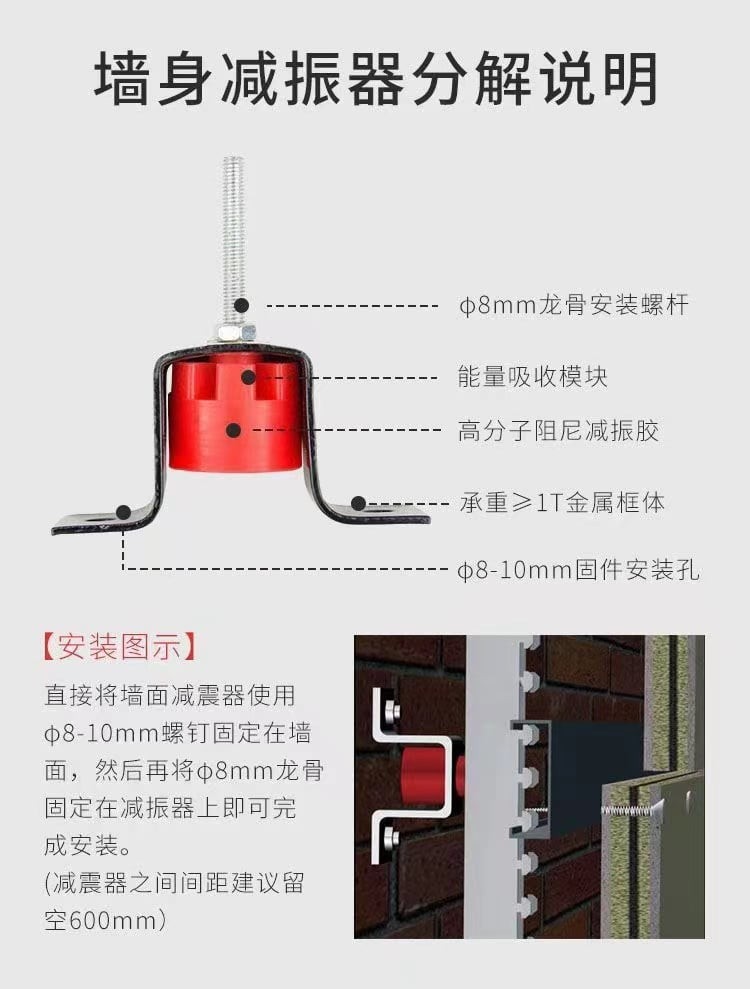
Designed for vibration isolation of walls and ceilings to cut off solid‑borne vibration transmission, it is a special vibration‑isolating accessory for acoustic projects.
II. Performance & Advantages
1. Effective Isolation of Solid‑Borne Sound. Adopting elastic damping structure, it blocks rigid vibration transmission of building structures, reduces diffusion of loudspeaker resonance, equipment vibration and impact noise, and greatly improves the actual sound‑insulation performance of partition walls and ceilings.
2. Multiple Load‑bearing Options. It covers load range from 15‑50KG. Standard and premium versions fit different panel weights to prevent overload failure and deliver stable vibration‑isolating performance in long‑term service.
3. Dual‑use for Wall and Ceiling. The same specification can be applied to vertical partition walls and overhead ceiling suspension. Flexible installation fits light‑steel keel acoustic systems.
4. Anti‑aging and Moisture‑resistant. Made of high‑quality rubber damping material, it resists hardening and cracking, and can be used long‑term in basements, KTV venues and humid shops.
5. Easy Installation. Directly fixed with light‑steel keels without complicated processing. High construction efficiency and compatible with on‑site cutting and assembly.
6. Supporting Component for Complete Acoustic Systems. Used together with sound‑insulating panels, vibration‑isolating blocks, sound‑insulating felts and glass wool / rock wool filling materials to eliminate resonance noise in home theaters and KTVs. It serves as a key auxiliary material for sound‑insulation projects.
III. Detailed Application Scenarios
Indoor Residential Scenarios
1. Household spaces: Vibration isolation for walls and ceilings of home theaters and private audio‑visual rooms, weakening transmission interference from speaker vibration and floor impact noise.
Commercial Entertainment Venues
2. Commercial KTV, chess‑and‑card rooms, escape‑game venues, recording studios and live‑streaming rooms. Vibration isolation treatment for walls and ceilings eliminates equipment and loudspeaker resonance to guarantee acceptance results of sound‑insulation projects.
Office & Public Buildings
3. Vibration isolation for walls and ceilings in office buildings, meeting rooms and lecture halls, isolating operating vibration noise from air‑conditioning units and ventilation equipment.
Industrial & Equipment Noise‑Reduction Scenarios
4. Auxiliary vibration isolation for equipment rooms and fan rooms, reducing mechanical vibration transmitted to building walls and ceilings.
Cultural‑Tourism & Other Scenarios
5. Renovation projects for hotels, homestays and hospitals, lowering impact noise between floors and adjacent rooms as well as equipment‑generated vibration noise.
Note: Vibration isolators only isolate solid‑borne vibration instead of airborne noise. Complete sound‑insulation effect can only be achieved by full‑set construction with sound‑insulating panels, keels and sound‑absorbing filling materials. Model selection must match actual load‑bearing requirements.
Previous: Vibration‑Damping Block
Next: None