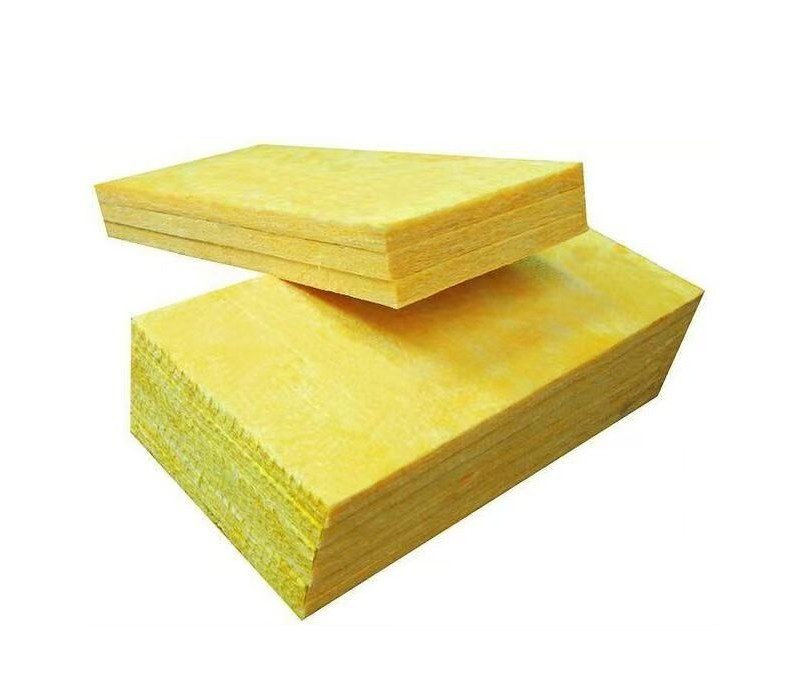
I. Product Specifications & Price
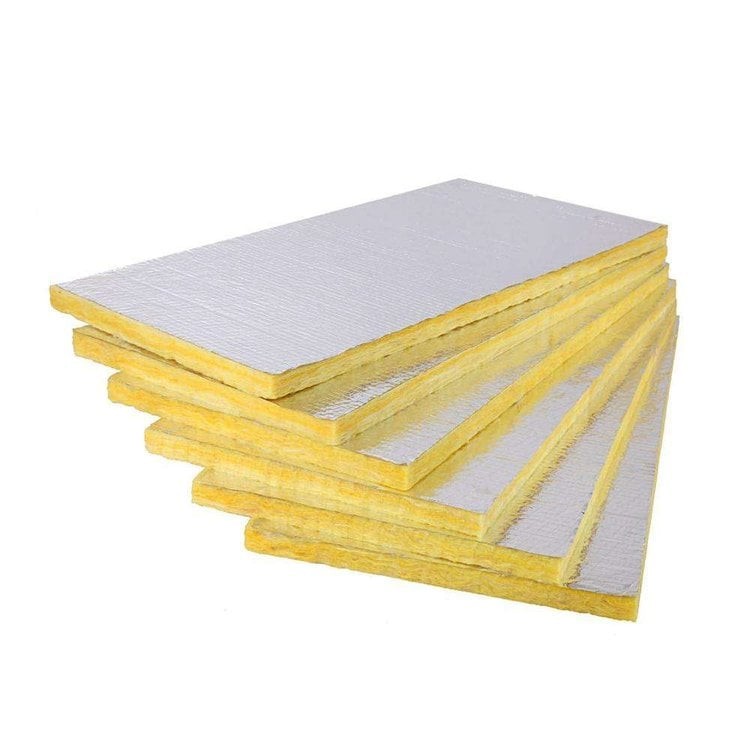
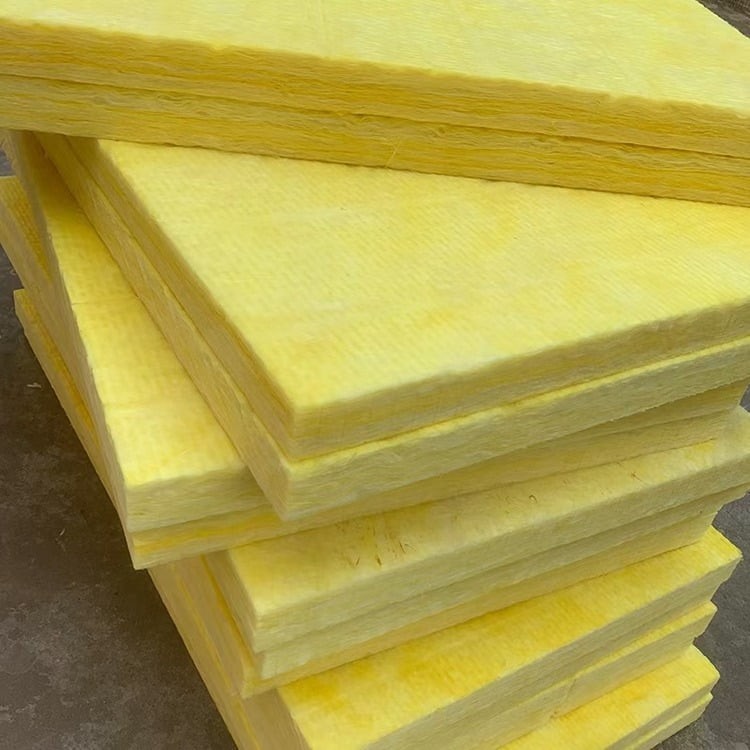
Glass Wool Board Standard Size: Length 1200mm * Width 600mm, optional thickness 30‑100mm, optional density 32K‑80K, Price: RMB 7‑30 / Square Meter.
Multiple densities and thicknesses are available. As a lightweight, high‑efficiency thermal‑insulating and sound‑absorbing material, it is suitable for noise reduction, thermal insulation and fire‑protection projects in residential and commercial construction.
II. Performance & Advantages
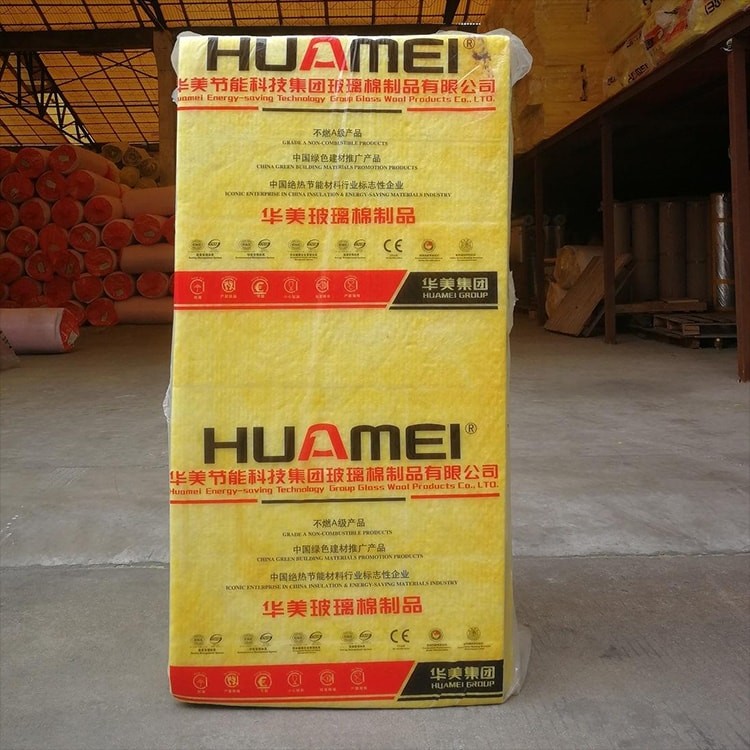
1. Class A Non‑Combustible for Fire‑Safety Compliance. Made of inorganic glass fiber, it achieves overall Class A non‑combustible rating. It will not support combustion under high temperature, produces no open flame or toxic smoke, and fully meets fire‑safety acceptance standards for public venues.
2. Efficient Sound Absorption & Noise Reduction. Featuring porous super‑fine fiber structure with high porosity and good air permeability, it dissipates sound energy substantially, effectively absorbs medium‑and‑high frequency noise and reduces indoor reverberation. It is an ideal sound‑absorbing filling material for wall and ceiling cavities.
3. Thermal Insulation & Energy‑Saving Performance. The fluffy fiber structure traps static air to block heat exchange and temperature conduction between indoors and outdoors, delivering excellent thermal insulation and energy‑saving effects.
4. Light‑Weight & Flexible for Easy Installation. Light‑weight and soft texture allows free‑form cutting. It adds little load to walls and ceilings for easy handling and construction.
5. Corrosion‑Resistant & Anti‑Mildew. Inorganic material repels water, decay, mildew and pests. Acid‑alkali resistant and anti‑aging, it performs stably over long‑term use in basements and humid shops.
6. High Compatibility With Sound‑Insulation Systems. It fills cavities of light‑steel keel partition walls and ceilings. Combined with sound‑insulating panels and felts, it forms a complete sound‑insulation system and greatly improves overall noise reduction performance.
7. Eco‑Friendly & Non‑Irritating. Manufactured by standard centrifugal glass‑wool process, it generates little irritating dust and contains no harmful volatile substances, safe for construction inside enclosed indoor spaces.
III. Detailed Application Scenarios
Indoor Residential Scenarios
1. Household spaces: cavity filling for walls and ceilings of home theaters, audio‑visual rooms and bedrooms; thermal insulation and noise reduction for basements.
Commercial Entertainment Venues
2. Commercial KTV, chess rooms, escape rooms, recording studios and live‑stream studios: internal filling for walls and ceilings for sound absorption, noise reduction, fire protection and thermal insulation to meet commercial‑project acceptance standards.
Office & Public Buildings
3. Filling for ceilings and partition walls in office buildings, offices, meeting rooms and lecture halls to optimize indoor acoustic environment and achieve thermal‑insulation energy saving.
4. Educational facilities: classrooms, piano rooms, auditoriums and multi‑function halls for dual functions of sound absorption, noise reduction, fire protection and thermal insulation.
Industrial & Equipment Noise‑Reduction Scenarios
5. Filling for walls and ceilings of equipment rooms, fan‑pump rooms and central‑air‑conditioning machine rooms for equipment noise elimination and pipe thermal insulation.
6. Partition walls in factory workshops and thermal‑acoustic insulation for steel‑structure factory roofs to cut equipment noise and save energy consumption.
Transportation & Supporting Projects
7. Lining filling for elevator shafts, pipe shafts and ventilation ducts for noise reduction, vibration damping, fire protection and thermal insulation.
Cultural‑Tourism & Other Scenarios
8. Supporting material for indoor thermal‑insulation and sound‑absorption projects in hotels, homestays, hospitals, exhibition halls and gymnasiums.
Note: Glass wool board is a cavity‑filling material for sound absorption, fire protection and thermal insulation. It mainly absorbs sound and provides fire‑thermal protection with limited direct sound‑insulation effect. Optimal sound‑insulation performance is achieved when applied as a complete system together with sound‑insulating panels and keel structures.
Previous: Glass Wool Blanket
Next: Vibration‑Damping Block