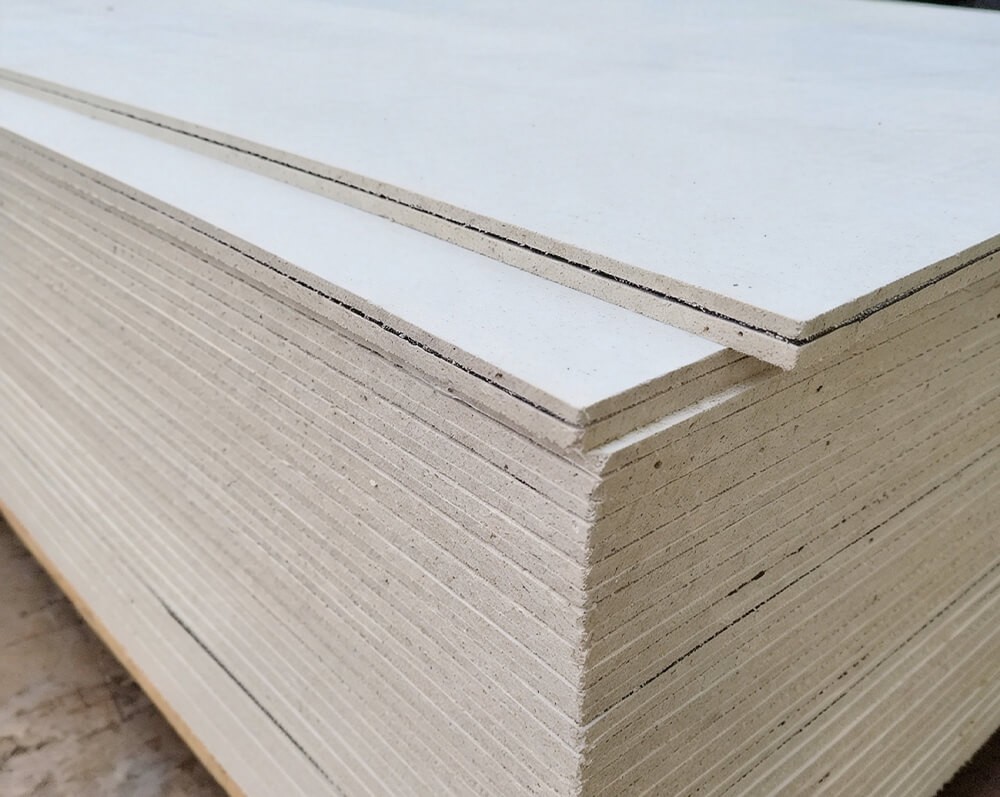
I. Product Specifications & Price
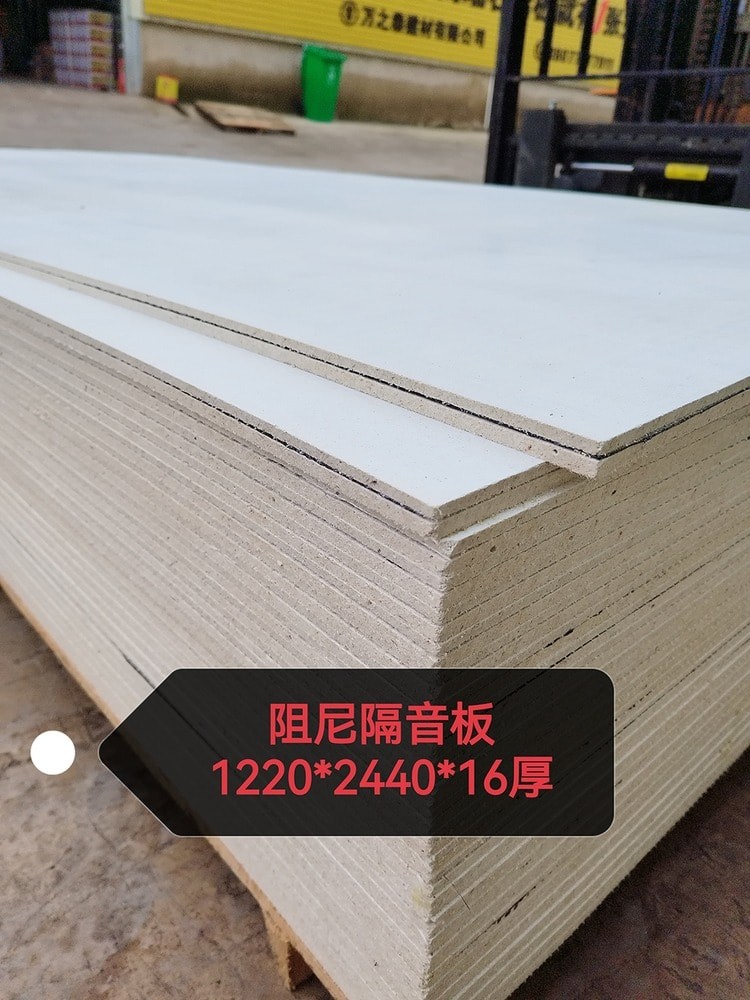
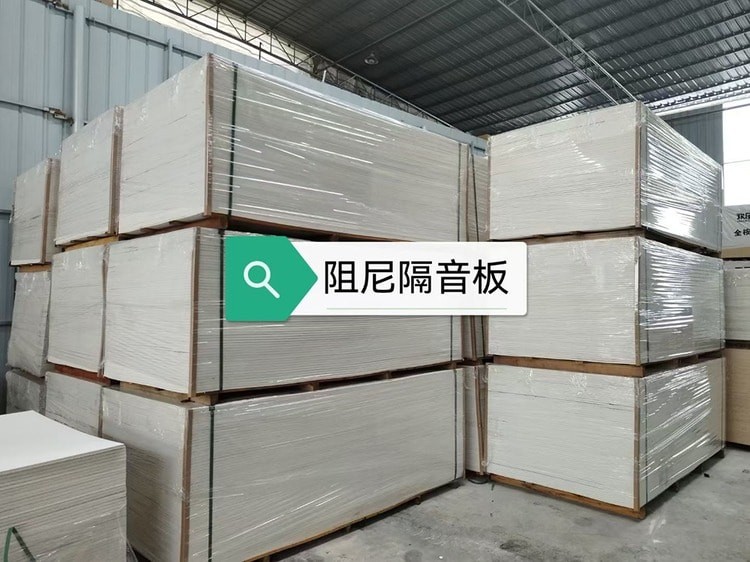
Sound‑Insulating Panel Standard Size: 1200mm(L)*2440mm(W)*15mm(Thickness), Price: RMB 50‑200 / Square Meter.
II. Performance & Advantages
1. Excellent sound‑insulating performance for airborne sound blocking. Featuring high‑density base material structure, the panel effectively blocks airborne noise such as human voice, audio and equipment noise. Sound‑insulation indicators can be further improved when used with cavity systems to meet sound‑insulation requirements of various venues.
2. Stable structure with low deformation risk. Dense base material delivers good bending and compression resistance. It resists warping and cracking under changing temperature and humidity conditions. It boasts superior nail‑holding capacity and supports common woodworking processes including cutting, hole‑drilling and sanding.
3. Optional fire‑retardant grade for commercial project acceptance. Some models reach B1 flame‑retardant grade, satisfying fire‑safety approval requirements for commercial projects such as KTVs, schools, hotels and office buildings.
4. Reliable moisture‑proof performance. Moisture‑resistant versions are suitable for high‑humidity locations such as basements and pipe shafts, resisting moisture‑induced pulverization.
5. Dry‑construction for easy installation. Compatible with light‑steel keel partition and ceiling systems for direct assembly and high construction efficiency.
6. Strong comprehensive practicality. Serving both as sound‑insulating layer and structural substrate, it avoids excessive multi‑layer stacking and reduces overall wall load.
7. Compatible with complete sound‑insulation assemblies. It can be combined with sound‑insulating felt, sound‑absorbing cotton and vibration‑isolating accessories to form complete noise‑reduction walls for residential, commercial and industrial noise‑reduction projects.
III. Detailed Application Scenarios
Indoor Residential Scenarios
1. Household applications: Bedroom partition walls, walls and ceilings of home theater / home KTV rooms, side walls beside entrance doors, basements and children’s rooms. It isolates noise from neighbors’ conversations, TV sets and sound‑system sound leakage.
Commercial Entertainment Venues
2. Commercial KTV, chess‑and‑card rooms, escape rooms, recording studios and live‑streaming rooms. It prevents sound transmission between rooms and noise nuisance, complying with fire‑safety and sound‑insulation acceptance standards.
Office & Public Buildings
3. Partitions for office buildings, offices and meeting rooms. Converting open‑plan offices into private compartments and meeting‑room walls to guarantee conversation privacy; noise reduction for library and reading‑room walls.
4. Educational facilities: Partition walls for piano rooms, dance studios and classrooms to isolate musical noise and loud sounds and prevent mutual disturbance among classrooms.
Industrial & Equipment Noise‑Reduction Scenarios
5. Equipment rooms, air‑compressor / fan‑pump rooms and central‑air‑conditioning machine rooms. Wall and ceiling cladding blocks low‑frequency mechanical roaring and meets factory noise‑reduction and environmental‑protection noise‑testing standards.
6. Sound‑insulated compartments and quiet operation rooms in factories. Dividing quiet zones within workshops to isolate industrial noise generated by stamping, grinding and fans.
Transportation & Supporting Projects
7. Cladding for elevator shafts and pipe shafts. Reducing noise transmitted to residents caused by elevator operation and water‑supply‑and‑drainage pipeline vibration; sound‑insulation wrapping for outer surfaces of ventilation ducts.
Cultural‑Tourism & Other Scenarios
8. Partition walls for hotel guest rooms and homestays to reduce inter‑room noise and improve accommodation experience; sound‑insulated walls for hospital wards.
Note: Sound‑Insulating Panel is the main sound‑insulating material. Its actual performance depends on the complete wall system. A single panel delivers limited sound‑insulating capacity. For engineering projects, it is recommended to use together with cavity and filling materials.
Previous: Rock Wool Panel